Our Earth’s Water Crisis

How much water are you really using daily?
When people think about their water use, they often think about obvious uses like showers or laundry. However, we indirectly use water in tons of ways every day that most people do not even know about.
Some common ways we are indirectly using water is through the clothes we wear, transportation, using computers, leaving on the lights, and eating fast food.
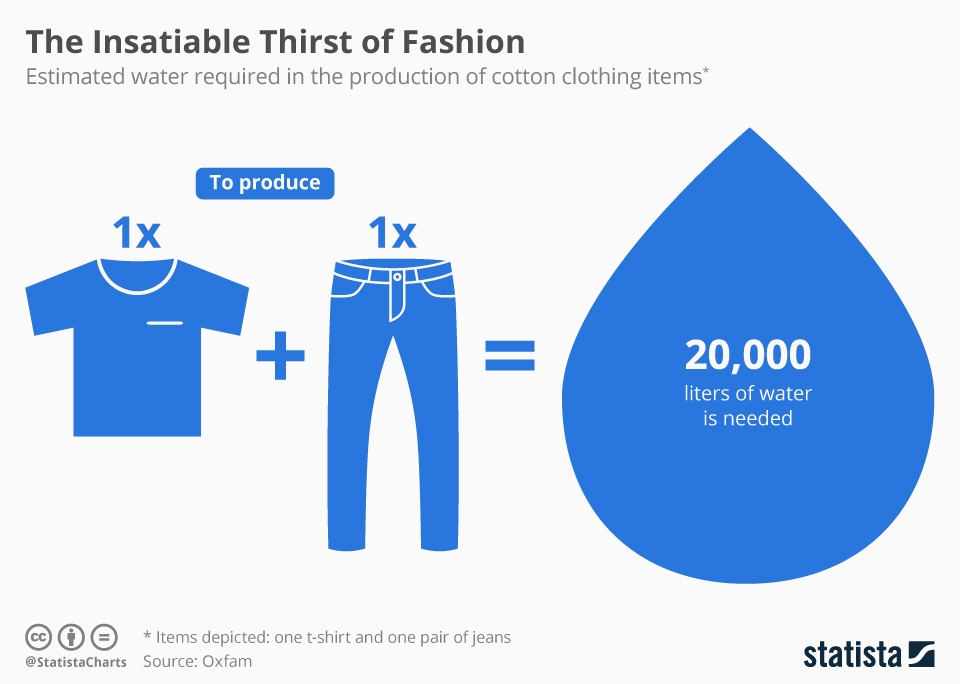
- Clothing: Turning fiber to cloth and dying clothes uses huge amounts of water. Cotton consumption is responsible for 2.6% of global water use (MillerCoors 2020). Just one pair of jeans can take up to 8000 gallons of water to produce (Brand 2018).
- Transportation: The manufacturing of cars as well as gas to power cars is very heavy on water usage. You may think you are okay because you ride your bike often, however the production of bikes also use water. Bikes are still a better option, as the production of a car uses about 32000 gallons of water versus the 500 gallons of water to produce a 30-pound bike (MillerCoors 2020).
- Computer Use: Manufacturing a laptop or a desk top demands large amounts of water. In order to power internet technology, massive data generators produce a huge amount of heat and in order to keep the facility cool, data centers rely on huge amounts of water.
- Lighting: Water is used to create electricity. Turning on our lights uses water or watching tv uses water. How often are you thinking about water usage while watching Netflix? I know it isn’t what is on my mind.
- Fast Food: Let’s take a minute to think about your McDonald’s order. The average combo (burger, fries and a drink) uses the same amount of water needed to fill a small swimming pool (MillerCoors 2020). Even a coffee uses way more water than someone would assume. Growing coffee beans uses a large amount of water. A cup of coffee uses approximately 55 gallons of water (MillerCoors 2020).
https://www.mnn.com/food/beverages/sponsorstory/six-ways-we-all-use-water-without-knowing-it
https://www.globalcitizen.org/en/content/5-ways-waste-water-without-knowing/
How much of the earths freshwater do we actually have access to use?
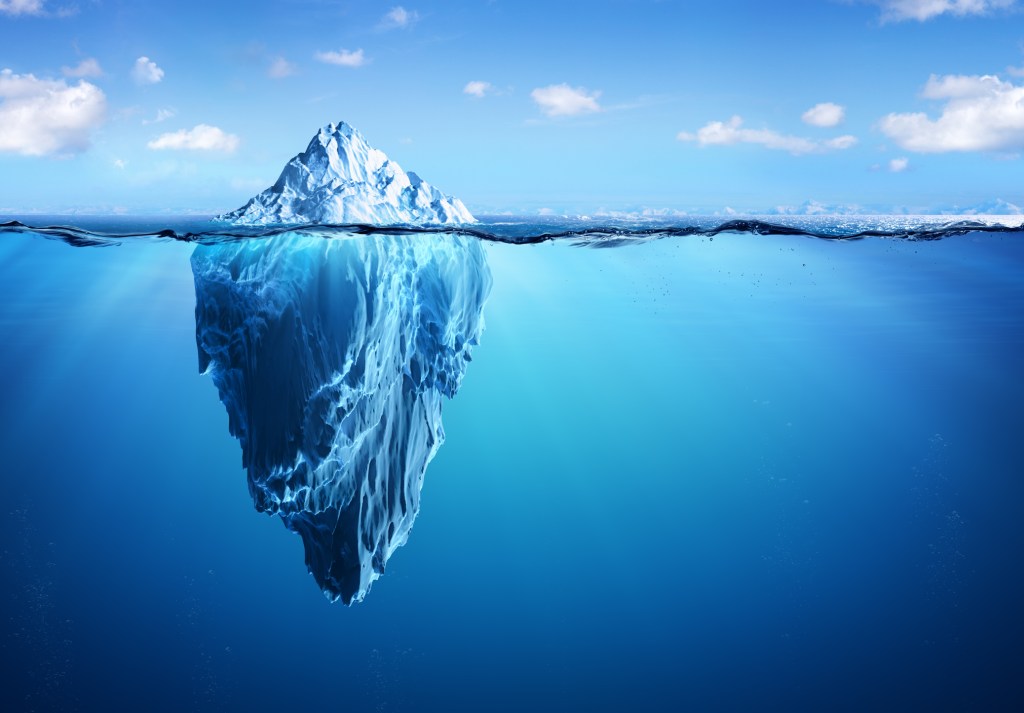
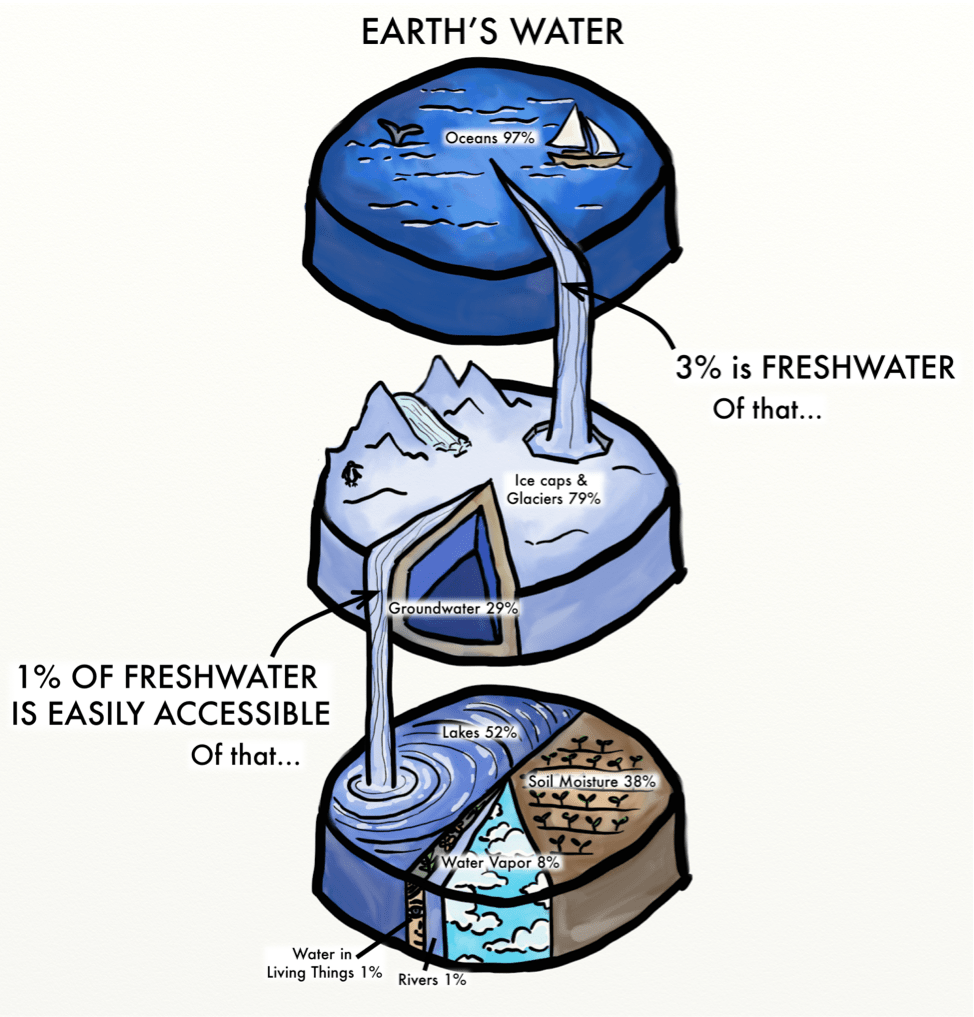
On Earth we have 326 million trillion gallons of water, with that being said 99 percent of that water is unusable to humans and other living things on Earth. As humans, we only have access to about o.3 percent of freshwater through lakes, swamps and rivers. When majority of the Earths freshwater is found in icecaps and glaciers with that taking up about 68 percent of that 0.3 percent of freshwater. About 30 percent of the 0.3 percent of the freshwater is found in ground water which leaves around 2 percent of the earths freshwater that we have access to.
https://www.nationalgeographic.org/media/earths-fresh-water/
The Gulf of Mexico Dead Zone
“The greatest threat to our planet is the belief that someone else will save it.” – Robert Swan
What is The Gulf of Mexico Dead Zone?
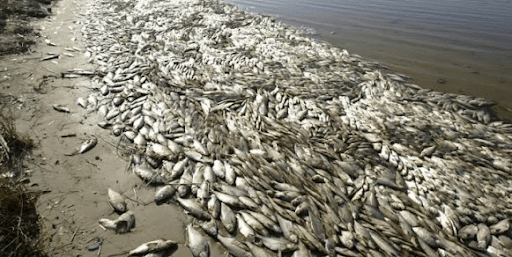
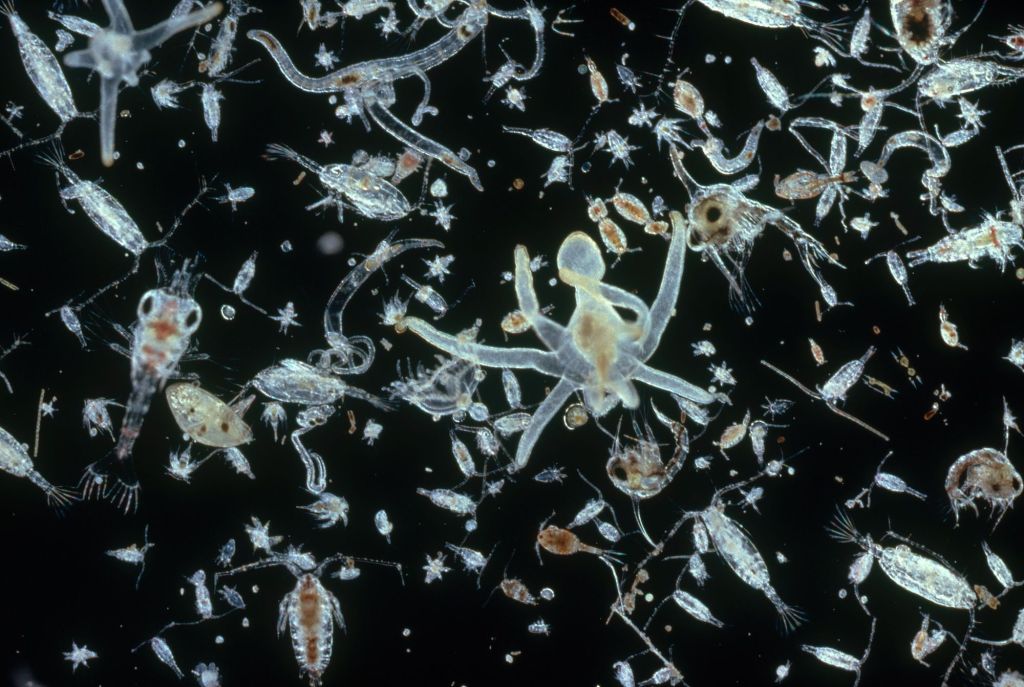
In the Gulf of Mexico, off the Louisiana coast, there is a growing dead zone. The dead zone is a large area of hypoxic water, where no form of life can survive. The oxygen is taken from the water due to an excessive amount of plankton caused by nutrients that flow in from the Mississippi River. When plankton dies, the decomposing process takes oxygen from the water, and with such an overabundance of plankton, the oxygen in the water is being stolen at an alarming rate.
http://awesomeocean.com/trending-now/theres-dead-zone-gulf-humans-blame/
How Big is the Dead Zone?
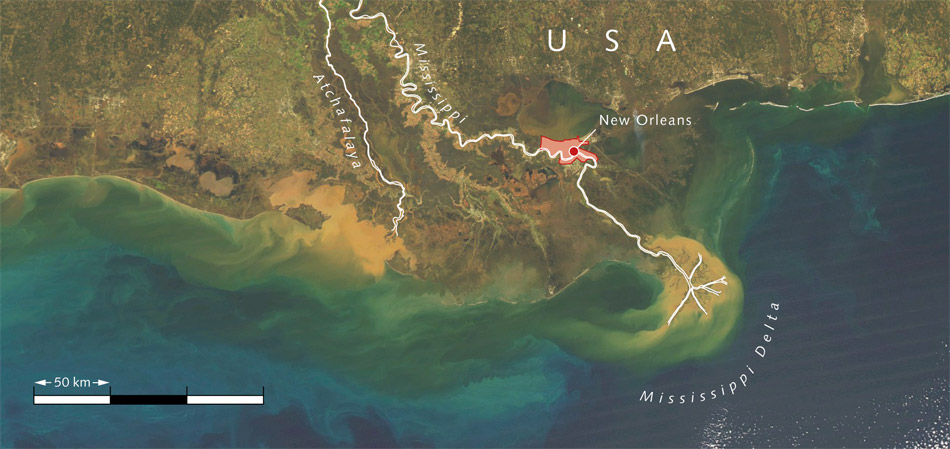
The size of the dead zone changes every year. Something that can cause a change in size of the dead zone is the weather. Very warm and sunny weather can cause the dead zone to grow in size because sunlight provides more opportunity for the plankton to grow. The lack of oxygen is caused by the decomposing process of plankton, therefore more plankton means a larger dead zone. Rain is another weather condition that can increase the size of the dead zone. The Mississippi River leads directly to the Gulf of Mexico. The Mississippi River often contains many plant growing nutrients due to farming nearby. When there is rain over the river, the water flows straight into the Gulf of Mexico, along with the nutrients which then supports the growth of plankton causing the dead zone to grow larger.
https://www.wri.org/blog/2012/10/extreme-weather-mixed-bag-dead-zones
Who is Affected?
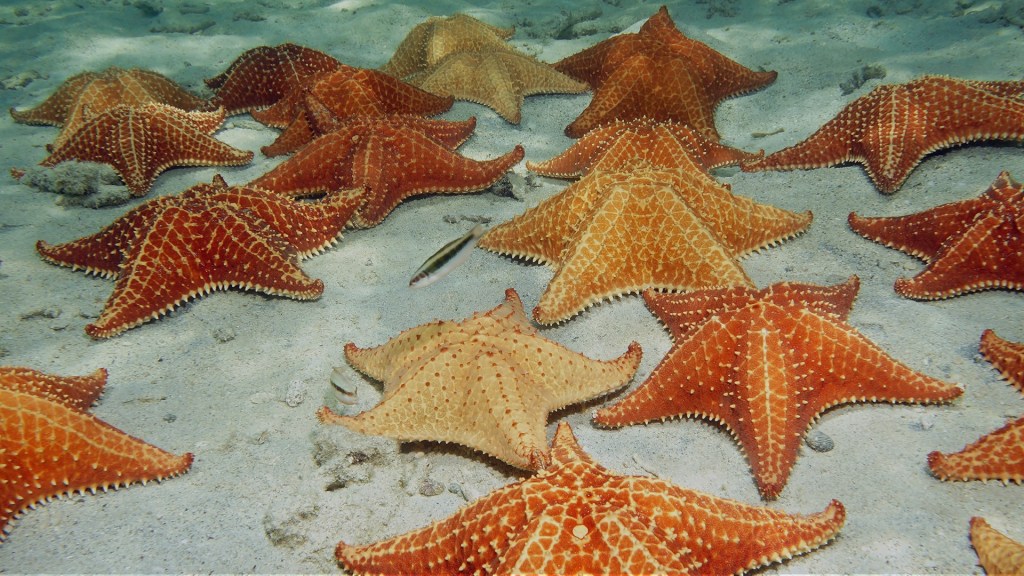
Many sea creatures are fast enough to swim away and escape the dead zone, but this is not the case for all of them. Dolphin, fish, sharks and other fast swimming sea animals are able to survive, but creatures who live on the bottom of the ocean floor and are not as fast are left to die. These creatures include snails, worms, starfish and many more.
https://www.smm.org/deadzone/affected/top.html
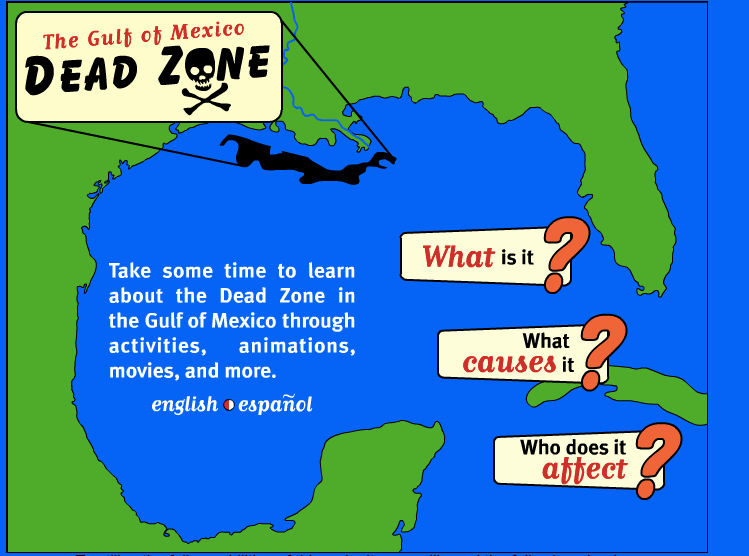
Click the image below to open an interactive website that will answer your questions about the dead zone.
 Fresh Water Crisis